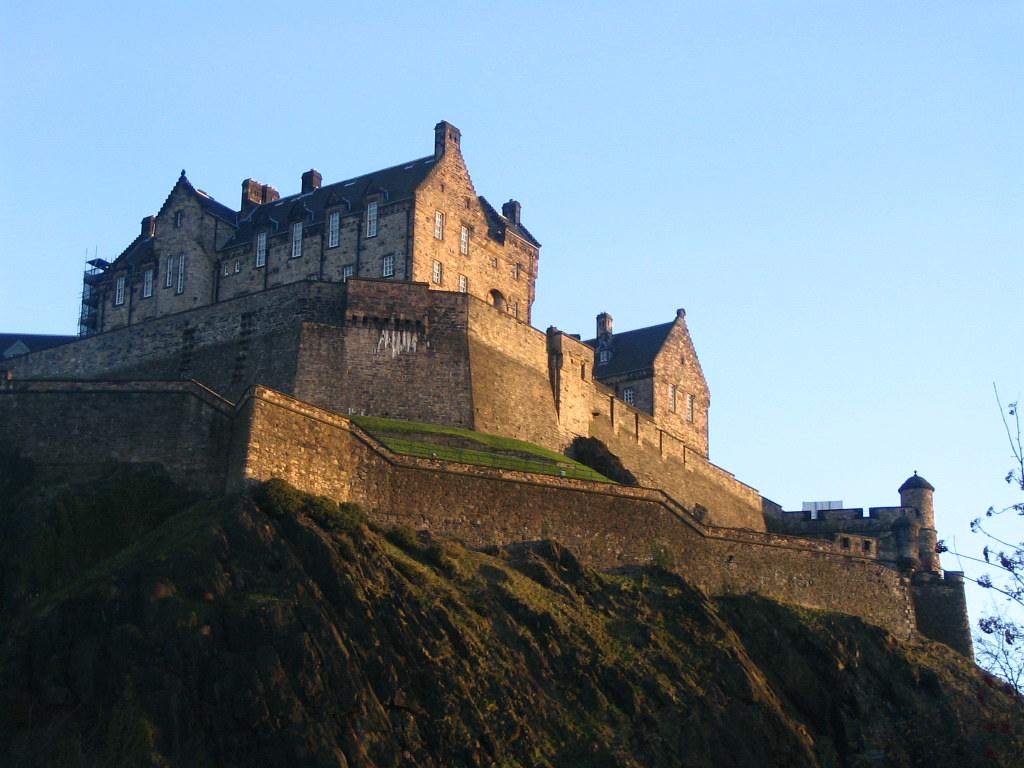
Stirling and Edinburgh
High rocks guarded the roads. Kings and queens lived there.
From first farmers to now
Hills, islands, kings, queens, songs, and science. Scots invented tools the world still uses. This is a story to be proud of.
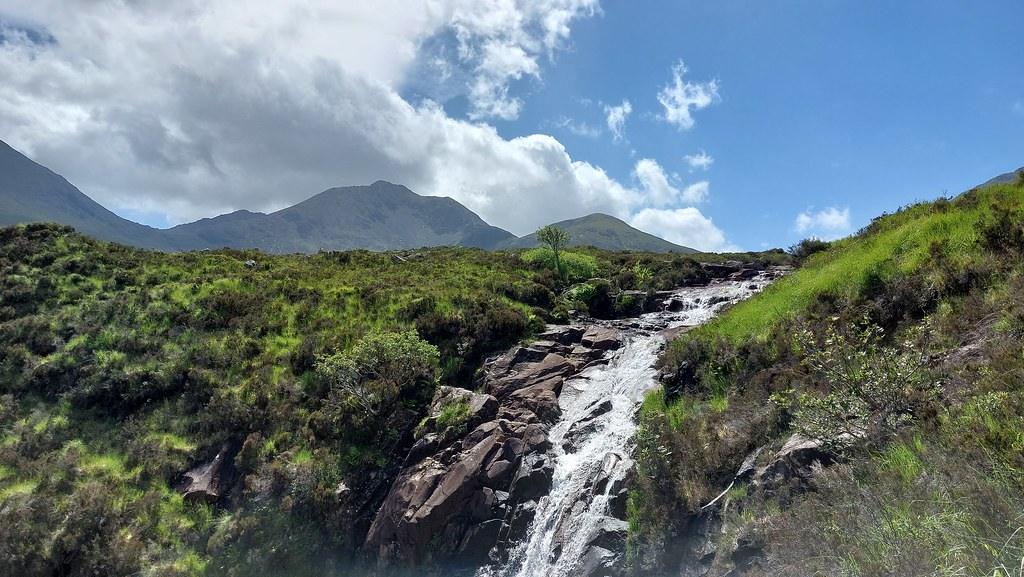
Scotland has a long coast. Islands sit to the north and the west.
Castles were homes and strong places. Kings and queens lived in them.
High rocks guarded the roads. Kings and queens lived there.
Wallace led at Stirling Bridge in 1297. Bruce was king at Bannockburn in 1314.
Culloden was in 1746. Glencoe was a great wrong in 1692.
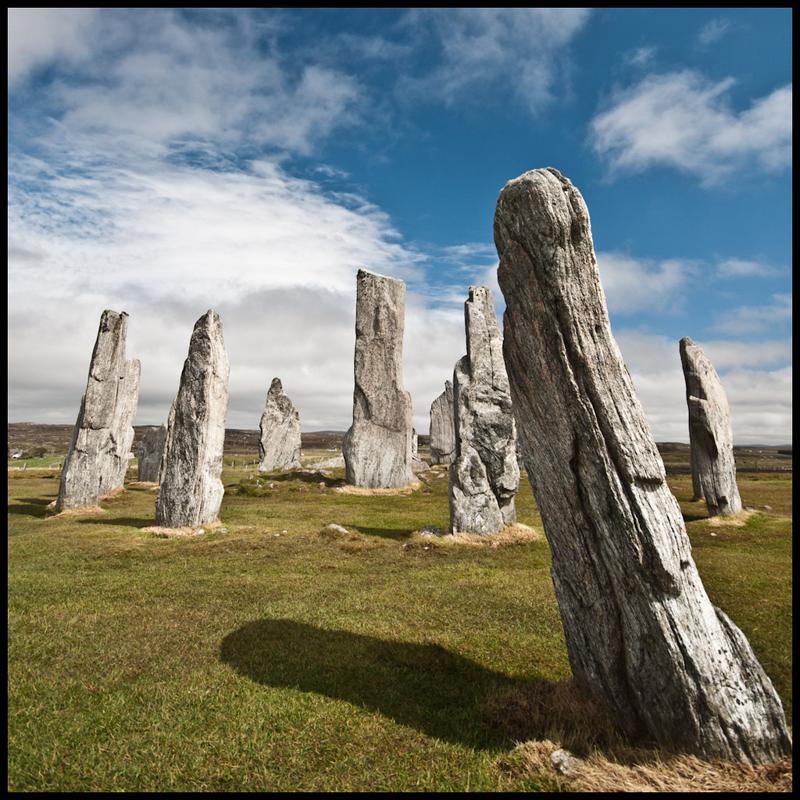
People trusted saints, the seasons, and stories told at night.
A kelpie is a story. A selkie is a story. The Loch Ness monster is a modern story. It is not a proven animal.
We are not sure what the Pictish symbols mean.
Beliefs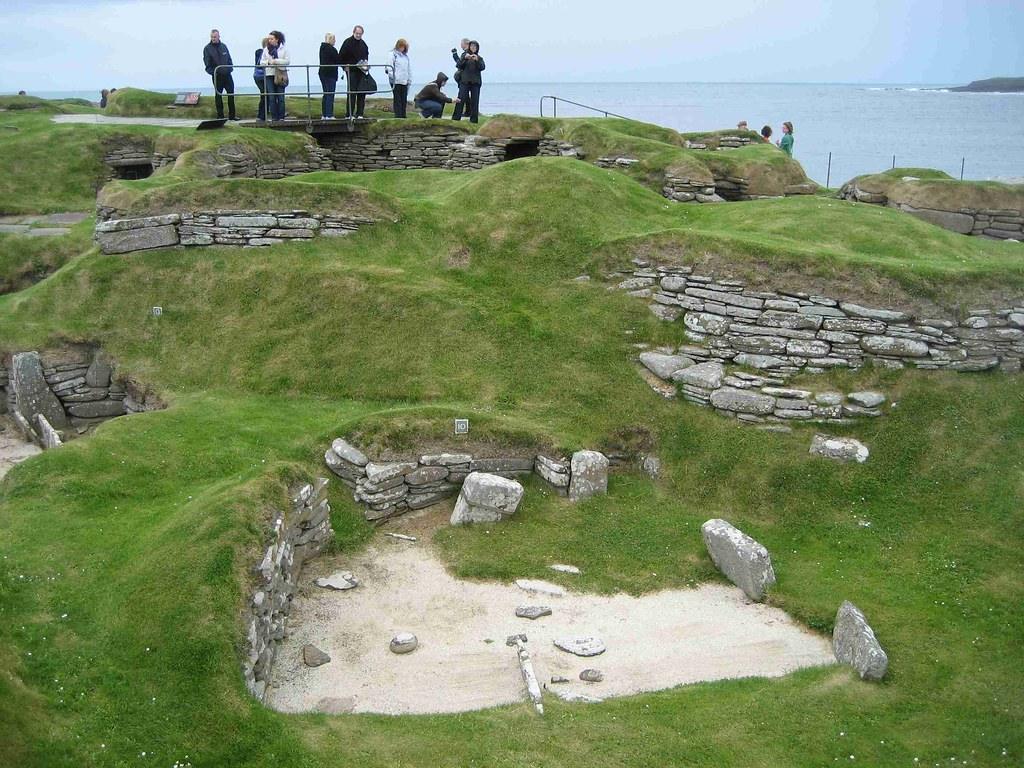
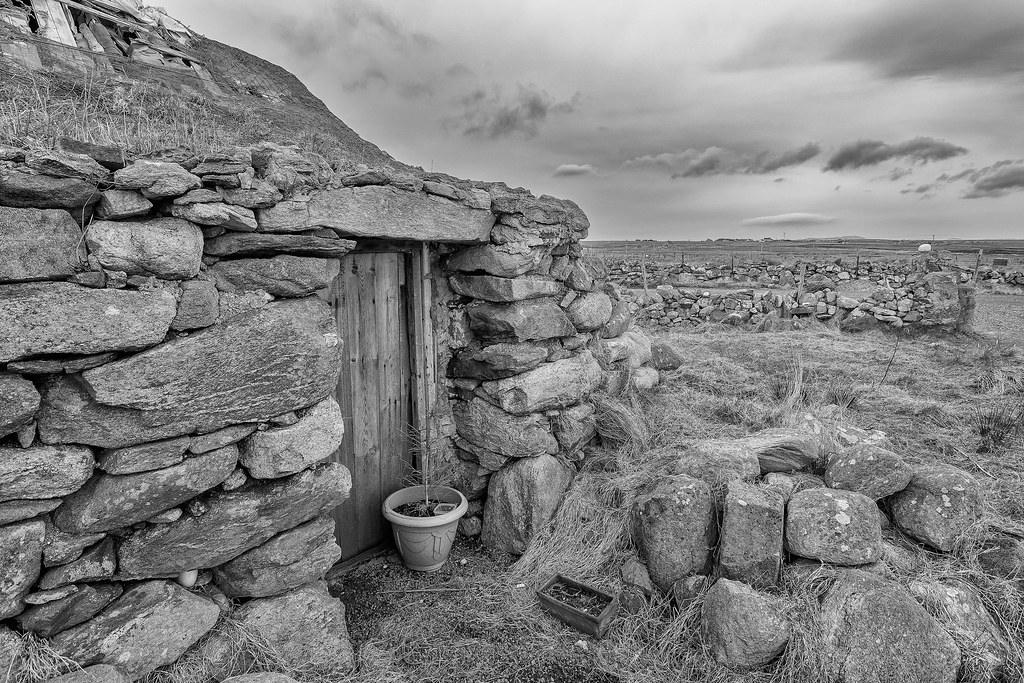
At Skara Brae, beds and cupboards were stone. Families kept cattle and grew barley.
Many families ate porridge. A peat fire warmed one room. Children helped with animals.
In the 1800s some children worked long days in mills. Later, more children could stay at school.
About 3200 BCE
About 3000 BCE
500s
About 843
1040 to 1057
1124 to 1153
1286
1297
1314
1542 to 1587
1560
1603
1707
1746
Late 1700s and 1800s
1700s and 1800s
1900s
1999 to now
Scotland has 32 council areas. Tap the land.
© OpenStreetMap contributors, ODbL.
Or open the map of all 32 councilsTry greetings, place-name parts, and a quiz on what the words mean.
Open the Gaelic pages 521–597ColumbaManStarted a monastery on Iona
 About 1046–1093Queen MargaretWomanA queen who fed people who were poor
 About 1270–1305William WallaceManA leader at Stirling Bridge in 1297
 1542–1587Mary, Queen of ScotsWomanA queen of Scots from the time she was a baby
 1759–1796Robert BurnsManThe poet who wrote Auld Lang Syne
 1864–1917Elsie InglisWomanA doctor who set up war hospitals